


A strong referral network is one of the most reliable ways to keep a private practice full without relying on paid advertising. Clients who arrive through a referral already trust whoever sent them, which shortens the distance between a first phone call and a booked session. Wynhaven Wellness Community Center brings independent therapists, bodyworkers, coaches, and other wellness practitioners together on one campus along the Forsyth-Dawson county line, which creates referral relationships that are harder to build working alone. Here’s how to build a referral network that actually sends you clients.
Key takeaways
- Referrals convert better than most other lead sources. A client who arrives through a referral already trusts the person who sent them, which shortens the decision to book.
- Most people prefer a referral over searching alone. Research on how patients choose providers found more people prefer a recommendation from a professional or from friends and family than any single search method.
- Co-located practice communities create built-in referral opportunities. Sharing space with complementary practitioners means regular, natural contact instead of networking from a cold start.
- Referral fees and kickbacks are an ethics violation, not a shortcut. Professional ethics codes for counselors bar paying or receiving a fee for referring clients.
- A referral network needs maintenance, not just introductions. A relationship that goes untended after the first referral tends to go quiet.
- Directories and personal relationships work best together. Online directories bring new contacts, but personal relationships bring consistency over time.
- A clear niche makes referrals easier to send. A colleague refers a client more confidently when they know exactly who you’re the right fit for.
- Referral relationships go both ways. A network only holds together when referrals flow in both directions over time.
What is a referral network and why does it matter for private practice?
A referral network is the group of other professionals and former clients who send new clients your way because they trust your work and know what you specialize in. It matters because referred clients tend to arrive already motivated, pre-informed about what to expect, and more likely to stay engaged in care, rather than arriving cold from an ad or an unfamiliar directory listing.
Consider two new practitioners opening a caseload in the same month. One spends their marketing budget on paid search and waits for clicks to turn into bookings. The other spends that same time introducing themselves to five nearby practitioners whose specialties complement their own. Within a few months, the second practitioner usually has a steadier stream of well-matched clients, because each referral carries borrowed trust the ad never could.
Building a practice around strong professional relationships?
Reach out to our team to see how a shared practitioner community at Wynhaven supports that.
Where do most referrals come from?
Referrals tend to come from a small number of recurring sources, and most practitioners rely on more than one at once. Leaning on a single source, even a strong one, tends to leave a caseload exposed if that source slows down, so it’s worth building at least two or three of the following in parallel rather than putting all your effort into one.
- Other practitioners. Physicians, therapists in different specialties, and complementary wellness providers who see a fit for their own clients.
- Past clients. Word of mouth from people who had a genuinely good experience, shared naturally rather than solicited.
- Professional associations and consultation groups. Peer communities where practitioners get to know each other’s specialties over time.
- Community partnerships. Schools, employers, and local organizations that regularly encounter people who need a referral.
- Online directories. Listings that bring in new contacts who don’t yet have a personal connection to you.
7 ways to build a referral network as a private practitioner
- Build relationships with practitioners in complementary specialties. A couples therapist and an individual trauma specialist, for example, naturally send each other clients who need the other’s focus.
- Join local professional associations and consultation groups. Regular contact with peers builds the familiarity referrals depend on, long before anyone needs to refer anyone.
- Make it easy for people to find and recommend you. A clear, current profile and a specific description of who you work with helps both colleagues and past clients describe you accurately to others.
- Share space with other practitioners. Co-location puts you in regular contact with people whose clients may need exactly what you offer, without extra networking effort.
- Build relationships with physicians and other healthcare providers. A short introduction and a clear sense of your specialties go further than a cold directory listing ever will.
- Keep your specialty and niche visible. Practitioners refer with more confidence when they know precisely who you’re suited to help.
- Follow up and stay in touch. A brief thank-you after a referral, within the limits of confidentiality, keeps the relationship warm for the next one.
Research on how patients choose a provider backs up why relationships matter so much here: in a widely cited Kyruus survey, 38 percent of patients said a referral from a healthcare professional was their preferred way to find a provider, and 26 percent preferred a recommendation from a friend or family member, ahead of every other single method measured.
Want to meet practitioners whose specialties complement your own?
Connect with our team to learn about the practitioner community at Wynhaven.
Referral sources compared: which ones actually fill a caseload
Not every referral source behaves the same way. Some take months to build and then run on autopilot, while others need constant upkeep to keep working.
| Referral source | Effort to build | Consistency over time | Best for |
|---|---|---|---|
|
Co-located practice community
|
Low, built into shared space
|
High and ongoing
|
Steadily growing a caseload
|
|
Online directories
|
Low to moderate
|
Variable
|
New practices building visibility
|
|
Physician relationships
|
Moderate, takes time
|
High once established
|
Clinical and insurance-based practices
|
|
Past client word of mouth
|
Minimal, happens naturally
|
Unpredictable
|
Established practices with strong outcomes
|
|
Professional associations
|
Moderate, ongoing involvement
|
Moderate
|
Networking plus peer support
|
Not sure which referral sources are worth your time right now?
Get in touch with our team to talk through what fits your specialty.
How to nurture a referral relationship once it starts
A single referral rarely turns into an ongoing source on its own. Staying in touch periodically, even with a short message, keeps you top of mind the next time a colleague has someone who needs your specialty. Letting a referral source know, within the limits of confidentiality, that you connected with their client closes the loop and signals that the referral landed somewhere reliable.
Reciprocity matters just as much. Referring back when it’s genuinely the right fit, rather than only receiving, is what turns a one-time introduction into a lasting professional relationship.
A short check-in every few months does more for a referral relationship than a single polished introduction ever will. That might be as simple as a brief email noting a relevant workshop, a quick note of thanks after a particularly good referral, or a short conversation the next time you cross paths in a shared space. None of this needs to be elaborate. What matters is that the relationship doesn’t go quiet between referrals, because a colleague who hasn’t heard from you in a year is far less likely to think of you when the right client comes along.
Common mistakes that quietly break a referral network
A few habits undercut referral relationships faster than practitioners realize. Treating a referral as a one-time transaction instead of the start of a relationship is one of the most common, since it leaves no reason for the referring party to send anyone else your way. Being slow or inconsistent about following up with a referred client reflects on the person who sent them, so a referral source who gets burned once is unlikely to risk it again.
Another frequent mistake is only ever receiving referrals without sending any back. A referral relationship that flows in just one direction tends to feel lopsided, and the practitioner on the giving end often notices, even if they never say so directly. Finally, vague positioning makes it genuinely hard for colleagues to refer you well. A practitioner who knows your specialty in one clear sentence can describe you confidently to a client; one who only knows you do therapy in general usually hesitates.
Referral ethics every practitioner should know
Encouraging referrals is standard professional practice, but paying for them isn’t. Counseling’s own code of ethics is direct about this: the ACA Code of Ethics bars counselors from fee splitting or giving and receiving commissions, rebates, or any other form of payment for referring a client. The same principle holds across most allied health and wellness fields, even where it isn’t spelled out in a formal code. A referral should be based on fit for the client, never on what the referring party stands to gain.
This also shapes how you talk to clients about referrals. Rather than directly asking a current client to recommend you, which can blur professional boundaries, many practitioners simply make it easy for people to find and describe their work accurately if they choose to mention it on their own.
Building a referral network alone vs. inside a shared practice community
Where you practice shapes how a referral network comes together. Here’s the practical difference between building one entirely on your own and building one inside a shared practitioner community.
| Factor | Independent solo office | Shared practice community |
|---|---|---|
|
Who you meet
|
Entirely self-directed outreach
|
Other practitioners nearby by default
|
|
Time to first relationship
|
Often months of networking
|
Often weeks, through shared space
|
|
Trust building
|
Starts from zero each time
|
Built through regular, informal contact
|
|
Referral consistency
|
Depends on your own ongoing effort
|
Reinforced by everyday proximity
|
Curious what a built-in referral community looks like in practice?
Reach out to our team for a tour of the practitioner space at Wynhaven
Growing your caseload through the right practice community
A referral network takes time to build no matter where you practice, but the setting changes how much of that time you spend starting from scratch. Wynhaven Wellness Community Center brings therapists, bodyworkers, coaches, and other practitioners together on a nature-forward campus in Dawsonville, which means the relationships that drive referrals start forming the moment you move in rather than after months of separate outreach. If you’re ready to practice somewhere that makes professional relationships part of the everyday setting, reach out to our team. We’ll walk you through the practitioner community and current availability at Wynhaven.
Frequently asked questions
How long does it take to build a referral network from scratch?
Most practitioners see early referral relationships develop within a few months of consistent networking, though a network that reliably fills a caseload often takes a year or more to mature. Co-located practice settings tend to shorten that timeline.
Is it okay to ask clients for referrals?
Directly soliciting a referral from a current client can blur professional boundaries, so many practitioners instead focus on making their work and specialty easy to describe accurately if a client chooses to mention it on their own.
Can I pay another practitioner for referring clients to me?
No. Professional ethics codes for counselors and most allied health fields prohibit fee splitting or paying any form of commission for client referrals, and a referral should always be based on fit rather than compensation.
What's the fastest way to build referral relationships with other practitioners?
Regular, informal contact tends to work faster than formal networking events. Sharing a practice space with other practitioners is one of the more direct ways to build that familiarity without extra scheduling effort.
Do online directories still matter if I have a referral network?
Yes. Directories and personal referral relationships tend to work best together, since directories bring in new contacts who don't yet have a personal connection to your practice.
How do I know which referral sources are worth my time?
Track where your actual clients come from for a few months and compare the effort each source takes against how often it converts. A source that takes little effort and converts reliably is usually worth prioritizing over one that takes constant upkeep.
Does having a niche specialty help or hurt referrals?
It generally helps. Colleagues refer with more confidence when they know specifically who you're the right fit for, rather than guessing at a broad, general description of your practice.
How do I get started building a referral network at Wynhaven?
Reach out to our team to learn about the practitioner community at Wynhaven and how shared space supports the relationships a referral network depends on.
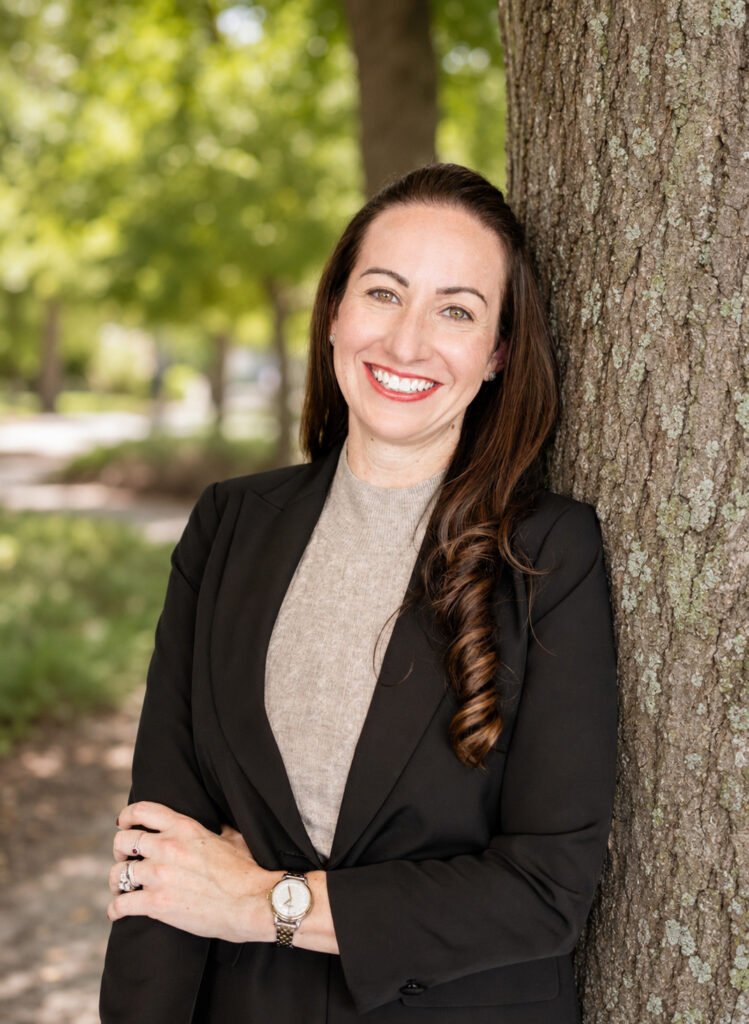
Wendy Skinner, BSN, RN, VABC
Wendy writes about community wellness, practitioner support, and restorative spaces, drawing on 15+ years of clinical experience and her experience building environments that foster healing, rest, and connection.